Minggu, 12 Januari 2014

Eggplants Growing Tips

0
- Looking for Aquaponics And Hydroponics Systems Today i will give you some info about , i was write this article for sharing Article brinjals, Article eggplants, Article growing foods, Article vegetables, I hope this article very helpfull for you

Judul : Eggplants Growing Tips
link : Eggplants Growing Tips

Read Also


Today we will discuss some growing tips on Egg plants or Brinjals. There are many varieties of eggplants. It can be round, egg shaped, long or short. The color varies from purple to red and from black to creamy white.

It can be grown from both seeds and transplants. If you are trying to grow egg plants from seeds and not from seedlings, it will be the trickiest part of growing eggplants. For smoother germination, I will suggest you to use seedling trays with a good potting mix. Eggplants require warm soil (70-75 degree F), so if you live in a place where there is a problem of frost; start planting the seeds 2 months before the frosting date. This will help the plants become strong enough and resistant to the external climate. Also prepare some protection to the plants from the frost.

Eggplants are good for container gardening. Generally a 5 gallon pack is enough for a single plant. Likewise if you want to grow them in garden beds it will also give you good result. While planting in beds, give at least 2 feet space before planting another plant. A single mature plant can reach up to a height of 5 feet and generally forms short bushes. The soil preparation is almost same as for the tomato plants. If you have not already read about tomato growing you can find them here.

Mulching is very important for egg plants if you are living in cooler areas of the plant. Mulching not only provides protection against water loss, it will also help the soil to remain warm. Crop rotation is a good option if you are growing egg plants. Egg plants are generally attacked by aphids, mites or caterpillars, crop rotation process will definitely help to reduce pests. Just avoid tomatoes or peppers while growing egg plants in succession. Egg plant is also a good option for companion planting. More on companion planting can be found here.


Harvesting:

After 3 to 4 months you can harvest the fruits. The best time to harvest is to pick them when they have reached 2/3 of their mature size. If the egg plant matures fully and you are late in harvesting, the seeds will turn brown and will be bitter in taste. So it is always better to harvest them before they reached their optimal size. Cut the fruit with a sharp knife from the woody stem.

The plants generally produce a lot of eggplants. If you have treated the plants properly, you should not be worrying about the yield. Generally 5 to 6 plants produce enough eggplants for the whole family to Enjoy. They are rich in vitamin B6, K and dietary fibers. It is also a good source for minerals such as potassium, Copper and Manganese.


Did you like this article? Share it with your friends:


Today we will discuss some growing tips on Egg plants or Brinjals. There are many varieties of eggplants. It can be round, egg shaped, long or short. The color varies from purple to red and from black to creamy white.

It can be grown from both seeds and transplants. If you are trying to grow egg plants from seeds and not from seedlings, it will be the trickiest part of growing eggplants. For smoother germination, I will suggest you to use seedling trays with a good potting mix. Eggplants require warm soil (70-75 degree F), so if you live in a place where there is a problem of frost; start planting the seeds 2 months before the frosting date. This will help the plants become strong enough and resistant to the external climate. Also prepare some protection to the plants from the frost.

Eggplants are good for container gardening. Generally a 5 gallon pack is enough for a single plant. Likewise if you want to grow them in garden beds it will also give you good result. While planting in beds, give at least 2 feet space before planting another plant. A single mature plant can reach up to a height of 5 feet and generally forms short bushes. The soil preparation is almost same as for the tomato plants. If you have not already read about tomato growing you can find them here.

Mulching is very important for egg plants if you are living in cooler areas of the plant. Mulching not only provides protection against water loss, it will also help the soil to remain warm. Crop rotation is a good option if you are growing egg plants. Egg plants are generally attacked by aphids, mites or caterpillars, crop rotation process will definitely help to reduce pests. Just avoid tomatoes or peppers while growing egg plants in succession. Egg plant is also a good option for companion planting. More on companion planting can be found here.


Harvesting:

After 3 to 4 months you can harvest the fruits. The best time to harvest is to pick them when they have reached 2/3 of their mature size. If the egg plant matures fully and you are late in harvesting, the seeds will turn brown and will be bitter in taste. So it is always better to harvest them before they reached their optimal size. Cut the fruit with a sharp knife from the woody stem.

The plants generally produce a lot of eggplants. If you have treated the plants properly, you should not be worrying about the yield. Generally 5 to 6 plants produce enough eggplants for the whole family to Enjoy. They are rich in vitamin B6, K and dietary fibers. It is also a good source for minerals such as potassium, Copper and Manganese.


Did you like this article? Share it with your friends:

Rabu, 08 Januari 2014

Weed Controlling In The Organic Way

0
- Looking for Aquaponics And Hydroponics Systems Today i will give you some info about , i was write this article for sharing Article organic gardening, Article soil, Article weeds, I hope this article very helpfull for you

Judul : Weed Controlling In The Organic Way
link : Weed Controlling In The Organic Way

Read Also


Before starting the weed control we need to know about weeds. There are basically two types of weeds:

Grassy weeds: The leaves of these types of weeds are blade like. These weeds are basically grass. Most of the lawns have these types of weeds.

Broad-leaf weeds: As the name suggests these weeds have broader leaves than the grassy weeds. All the weeds except grass can be classified in this category.

Most of the people thought that applying herbicides to the weed will solve their problem, but experts argue that in most of the cases the chemical can enter into the fruits or vegetables and can also pollute the ground water.

Though it is unfortunately true that weeds can grow in any type of soil, the first step you can take to control weeds is to make the soil as healthy as possible. Keep the soil aerated, and well drained. Keep your soil fertile by applying compost or organic fertilizers. It is true that weeds will also benefit by the application of fertilizers but at least it will give your desired plant enough nutrients to grow. After some time this desired plant will reduce your weed problem to a certain limit.

Tilling the garden to reduce the weeds is a very well known procedure. We have already discussed this process in Garden bed preparation.

Mulching is a very commonly used method for controlling weeds. Laying a thick layer of mulch over the weeds can kill them. It also helps in restoring the water content of the soil for longer period of time. You can add dry leaves, straw or hey. You can find the basic details about mulch and mulching here. While applying mulch the thickness is very important. Like for shredded leaves you need to put the layer at least 8 to 10 inches thick, whereas if you are applying saw dust, 2-3 inch of mulch will be enough. As for straw the thickness is 5 to 6 inches.

You can also apply a layer of black plastic sheet; it will prevent the light and water to reach to the weeds. This is the best way to kill the grassy weeds. If you are a hardcore organic gardener you might want to skip plastic as it is not a valid organic material.

Pulling out weeds by hand is probably the best option in case the weed has grown pretty large in size. Try to remove the weeds before they produce seeds. Sometimes burning the weeds can provide you an instant solution. You can use flamer for this purpose.

Some people also recommend using biological control such as using geese for weed control. Geese are naturally attracted to grass and weeds but this need proper control. You can try using this but this process is a long-term process.

You can also use common household vinegar in spraying bottle and apply this to weeds. While applying this technique, make sure the vinegar doesn’t reach your main plant.  

For preventing weeds we need to be proactive in our approach. We hope after reading this article you will be better position to control weeds in your garden.

Did you like this article? Share it with your friends


Before starting the weed control we need to know about weeds. There are basically two types of weeds:

Grassy weeds: The leaves of these types of weeds are blade like. These weeds are basically grass. Most of the lawns have these types of weeds.

Broad-leaf weeds: As the name suggests these weeds have broader leaves than the grassy weeds. All the weeds except grass can be classified in this category.

Most of the people thought that applying herbicides to the weed will solve their problem, but experts argue that in most of the cases the chemical can enter into the fruits or vegetables and can also pollute the ground water.

Though it is unfortunately true that weeds can grow in any type of soil, the first step you can take to control weeds is to make the soil as healthy as possible. Keep the soil aerated, and well drained. Keep your soil fertile by applying compost or organic fertilizers. It is true that weeds will also benefit by the application of fertilizers but at least it will give your desired plant enough nutrients to grow. After some time this desired plant will reduce your weed problem to a certain limit.

Tilling the garden to reduce the weeds is a very well known procedure. We have already discussed this process in Garden bed preparation.

Mulching is a very commonly used method for controlling weeds. Laying a thick layer of mulch over the weeds can kill them. It also helps in restoring the water content of the soil for longer period of time. You can add dry leaves, straw or hey. You can find the basic details about mulch and mulching here. While applying mulch the thickness is very important. Like for shredded leaves you need to put the layer at least 8 to 10 inches thick, whereas if you are applying saw dust, 2-3 inch of mulch will be enough. As for straw the thickness is 5 to 6 inches.

You can also apply a layer of black plastic sheet; it will prevent the light and water to reach to the weeds. This is the best way to kill the grassy weeds. If you are a hardcore organic gardener you might want to skip plastic as it is not a valid organic material.

Pulling out weeds by hand is probably the best option in case the weed has grown pretty large in size. Try to remove the weeds before they produce seeds. Sometimes burning the weeds can provide you an instant solution. You can use flamer for this purpose.

Some people also recommend using biological control such as using geese for weed control. Geese are naturally attracted to grass and weeds but this need proper control. You can try using this but this process is a long-term process.

You can also use common household vinegar in spraying bottle and apply this to weeds. While applying this technique, make sure the vinegar doesn’t reach your main plant.  

For preventing weeds we need to be proactive in our approach. We hope after reading this article you will be better position to control weeds in your garden.

Did you like this article? Share it with your friends

Minggu, 05 Januari 2014

Plants Ideal for Vertical Gardening

0
- Looking for Aquaponics And Hydroponics Systems Today i will give you some info about , i was write this article for sharing Article current trends in gardening, Article Vertical gardening, I hope this article very helpfull for you

Judul : Plants Ideal for Vertical Gardening
link : Plants Ideal for Vertical Gardening

Read Also


We have discussed about vertical gardening in our earlier article. Here we will mention some plants which make the perfect choice for vertical gardening. These plants are some of the best which grows pretty well in vertical gardening. If you have any other plants which you think can grow well in vertical gardening please mention here. As per our choice these plants are:

Beans: 
The bush form of beans does not grow well in vertical gardening. So if you are planning to do a vertical gardening with beans, choose the pole variety. Its harvest can go for several months.  You can also provide horizontal support for them. If used properly you can prepare visually attractive structures by using bean plants.   
 
Tomatoes are a very good option for practising vertical gardening. As discussed in tomato growing tips, tomatoes require   
support such as wire cages, for growing. Cherry tomatoes are also good for growing in vertical garden. These creepers use vines which makes them ideal for growing against a wall. Just choose a place where you receive full sunlight at least for six hours.
There are several varieties of cucumbers available in the market. Most of the varieties grow well in vertical garden. You need a strong trellis for holding the plant, as when the fruit grows larger, the pressure on the trellis will be much more than some other plants like peas or beans. Most of the time, they grow upright. Providing net or fencing material can be good choice for providing support to the plant.
 
Choose the variety that grows vertically well. Peas are generally cool weather crop. As the fruit size is not heavy and plant tendrils are shorter in length, you can provide nets as trellis. Some varieties grow very high (such as 6 ft), so provide the trellis accordingly.

Squash:  

Generally in gardens, squash are grown along the ground. This is not a problem if you have a lot of space for gardening, but in case like most of the urban gardeners you lack space, vertical gardening can be a good choice for growing squash. It will save a lot of space and will allow the light to reach every part of the fruit. It helps to prevent the fruit from rotting and also prevent diseases which cause due to lack of proper flow of air (like mildew). Just keep in mind these fruits become very large in size so provide proper strong trellis of fencing structure for support.

Strawberries do not have deep root system. So they need additional support and hold on to vertical spaces for growth. This makes them ideal for vertical gardening. You can even grow them in side a PVC pipe.


There are several other option plants which you can grow in vertical gardens. Which plant do you prefer to grow share it with us.  


Don't forget to read: 
Different soilless media for growing plants
Top Five Plants for Indoor Gardening 


We have discussed about vertical gardening in our earlier article. Here we will mention some plants which make the perfect choice for vertical gardening. These plants are some of the best which grows pretty well in vertical gardening. If you have any other plants which you think can grow well in vertical gardening please mention here. As per our choice these plants are:

Beans: 
The bush form of beans does not grow well in vertical gardening. So if you are planning to do a vertical gardening with beans, choose the pole variety. Its harvest can go for several months.  You can also provide horizontal support for them. If used properly you can prepare visually attractive structures by using bean plants.   
 
Tomatoes are a very good option for practising vertical gardening. As discussed in tomato growing tips, tomatoes require   
support such as wire cages, for growing. Cherry tomatoes are also good for growing in vertical garden. These creepers use vines which makes them ideal for growing against a wall. Just choose a place where you receive full sunlight at least for six hours.
There are several varieties of cucumbers available in the market. Most of the varieties grow well in vertical garden. You need a strong trellis for holding the plant, as when the fruit grows larger, the pressure on the trellis will be much more than some other plants like peas or beans. Most of the time, they grow upright. Providing net or fencing material can be good choice for providing support to the plant.
 
Choose the variety that grows vertically well. Peas are generally cool weather crop. As the fruit size is not heavy and plant tendrils are shorter in length, you can provide nets as trellis. Some varieties grow very high (such as 6 ft), so provide the trellis accordingly.

Squash:  

Generally in gardens, squash are grown along the ground. This is not a problem if you have a lot of space for gardening, but in case like most of the urban gardeners you lack space, vertical gardening can be a good choice for growing squash. It will save a lot of space and will allow the light to reach every part of the fruit. It helps to prevent the fruit from rotting and also prevent diseases which cause due to lack of proper flow of air (like mildew). Just keep in mind these fruits become very large in size so provide proper strong trellis of fencing structure for support.

Strawberries do not have deep root system. So they need additional support and hold on to vertical spaces for growth. This makes them ideal for vertical gardening. You can even grow them in side a PVC pipe.


There are several other option plants which you can grow in vertical gardens. Which plant do you prefer to grow share it with us.  


Don't forget to read: 
Different soilless media for growing plants
Top Five Plants for Indoor Gardening 

Kamis, 02 Januari 2014

How to Plant Potatoes: Growing Potatoes made Easy

1
- Looking for Aquaponics And Hydroponics Systems Today i will give you some info about , i was write this article for sharing Article beginner's guide, Article growing foods, Article potato, Article vegetables, I hope this article very helpfull for you

Judul : How to Plant Potatoes: Growing Potatoes made Easy
link : How to Plant Potatoes: Growing Potatoes made Easy

Read Also


It is very hard to find a person these days who don’t like potatoes. This is probably one of the favourite vegetables of all time. Knowing how to grow potatoes will definitely increase the liking towards this vegetable.


"My Idea Of Heaven Is  Great Big Baked Potato And Someone To Share It With." -Oprah Winfrey

This short and simple article will teach you about

Ideal Soil For Growing Potatoes

How to Plant Potatoes

How To Water A Potato Plant

When and How to Harvest Potatoes  

How To Store Potatoes


This will  definitely increase your confidence in growing potatoes.


Scientific name of Potatoes is Solanum tuberosum


Growing potatoes is not that difficult; and probably everybody should give it a try. It grows in full sun. So the first step to a healthy plant and good yield would be to select a spot where you will receive direct sunlight for at least 6 to 8 hours a day.


Ideal Soil For Growing Potatoes:

soil quality is not a hindrance in growing potatoes. You can plant potatoes in almost any type of soil. But the best ones recommended by experts are loose sandy loamy soil with a pH range of 5.5 to 6.5 (slightly acidic soil). Make sure that your soil is not very hard. Hard soil can result in misshapen tubers.
growing potatoes

To resolve the problem of hard soil mix coco coir and compost with the soil. It will also increase the water retaining capacity of the soil. 

How to Plant Potatoes?

Unlike most of the other vegetables discussed earlier (which are mostly grown from the seed), potatoes are grown from the tuber itself. To prepare a seedling, cut a whole potato with into small pieces keeping in mind that each piece should contain at least two eyes.

If you have very small size potatoes, instead of cutting, use them as whole. You can now use them in place of seeds to grow potatoes.

After making those suitable cuts leave these pieces in direct sun light for a day. This will help the exposed area of the potato to dry up and will prevent rotting once you plant them.

For getting good quality tubers you need to make the soil loose. So it is generally a practice to loosen the soil before planting potatoes. Use a tiller to do the job. once the soil is loosen up plant these potato-cuttings keeping the eye side upwards. Keep 1 feet space between two plants. Cover the potato seeds with 3-4 inches of soil. It is best to grow potatoes in rows. Keep each row at a gap of 3 feet.


Once the plants reaches 8 inches tall you need to draw up soil around the plant. If the tuber is exposed to the sunlight it will make them bitter. 

How To Water Your Potato Plants

Potatoes require moderate watering. 2-3 inches of water weekly is enough for the plant. Make sure the soil has proper drainage. Water logged condition is not ideal for the tubers. It causes them to rot.
The requirement of water is most when the plant starts flowering. You need to continue watering the plants till the foliage turns yellowish. This is the most important time of potato growing because during this period the tubers are formed. So lack of water can hamper the yield.

Harvesting and Storing Of Potatoes:


Once the vine starts to die, you can harvest your potatoes.  As the soil is loose, it will not be much of a problem to dig. You can use your bare hands to dig the soil or you can use a shovel. Just be careful otherwise you could damage some of the tubers.
growing potatoes
After taking out the tubers, lay them above the soil for 2 to 3 days if the weather is dry and no water is expected. It will help the outer jacket of the potato to become thick and will help in storage.  In case the weather is wet please keep them in dry area.

After that you can brush off the soil from the tubers and store them in a cool and dry place. For more details on how to store vegetables read our article titled Storing Your Vegetables: You Must Know the Basics.

Sounds simple? Why don’t you try this in your own garden? Let us know your experience.

It is very hard to find a person these days who don’t like potatoes. This is probably one of the favourite vegetables of all time. Knowing how to grow potatoes will definitely increase the liking towards this vegetable.


"My Idea Of Heaven Is  Great Big Baked Potato And Someone To Share It With." -Oprah Winfrey

This short and simple article will teach you about

Ideal Soil For Growing Potatoes

How to Plant Potatoes

How To Water A Potato Plant

When and How to Harvest Potatoes  

How To Store Potatoes


This will  definitely increase your confidence in growing potatoes.


Scientific name of Potatoes is Solanum tuberosum


Growing potatoes is not that difficult; and probably everybody should give it a try. It grows in full sun. So the first step to a healthy plant and good yield would be to select a spot where you will receive direct sunlight for at least 6 to 8 hours a day.


Ideal Soil For Growing Potatoes:

soil quality is not a hindrance in growing potatoes. You can plant potatoes in almost any type of soil. But the best ones recommended by experts are loose sandy loamy soil with a pH range of 5.5 to 6.5 (slightly acidic soil). Make sure that your soil is not very hard. Hard soil can result in misshapen tubers.
growing potatoes

To resolve the problem of hard soil mix coco coir and compost with the soil. It will also increase the water retaining capacity of the soil. 

How to Plant Potatoes?

Unlike most of the other vegetables discussed earlier (which are mostly grown from the seed), potatoes are grown from the tuber itself. To prepare a seedling, cut a whole potato with into small pieces keeping in mind that each piece should contain at least two eyes.

If you have very small size potatoes, instead of cutting, use them as whole. You can now use them in place of seeds to grow potatoes.

After making those suitable cuts leave these pieces in direct sun light for a day. This will help the exposed area of the potato to dry up and will prevent rotting once you plant them.

For getting good quality tubers you need to make the soil loose. So it is generally a practice to loosen the soil before planting potatoes. Use a tiller to do the job. once the soil is loosen up plant these potato-cuttings keeping the eye side upwards. Keep 1 feet space between two plants. Cover the potato seeds with 3-4 inches of soil. It is best to grow potatoes in rows. Keep each row at a gap of 3 feet.


Once the plants reaches 8 inches tall you need to draw up soil around the plant. If the tuber is exposed to the sunlight it will make them bitter. 

How To Water Your Potato Plants

Potatoes require moderate watering. 2-3 inches of water weekly is enough for the plant. Make sure the soil has proper drainage. Water logged condition is not ideal for the tubers. It causes them to rot.
The requirement of water is most when the plant starts flowering. You need to continue watering the plants till the foliage turns yellowish. This is the most important time of potato growing because during this period the tubers are formed. So lack of water can hamper the yield.

Harvesting and Storing Of Potatoes:


Once the vine starts to die, you can harvest your potatoes.  As the soil is loose, it will not be much of a problem to dig. You can use your bare hands to dig the soil or you can use a shovel. Just be careful otherwise you could damage some of the tubers.
growing potatoes
After taking out the tubers, lay them above the soil for 2 to 3 days if the weather is dry and no water is expected. It will help the outer jacket of the potato to become thick and will help in storage.  In case the weather is wet please keep them in dry area.

After that you can brush off the soil from the tubers and store them in a cool and dry place. For more details on how to store vegetables read our article titled Storing Your Vegetables: You Must Know the Basics.

Sounds simple? Why don’t you try this in your own garden? Let us know your experience.

Senin, 30 Desember 2013

Various Minerals and Their Roles in Plants Life

0
- Looking for Aquaponics And Hydroponics Systems Today i will give you some info about , i was write this article for sharing Article beginner's guide, Article minerals, I hope this article very helpfull for you

Judul : Various Minerals and Their Roles in Plants Life
link : Various Minerals and Their Roles in Plants Life

Read Also


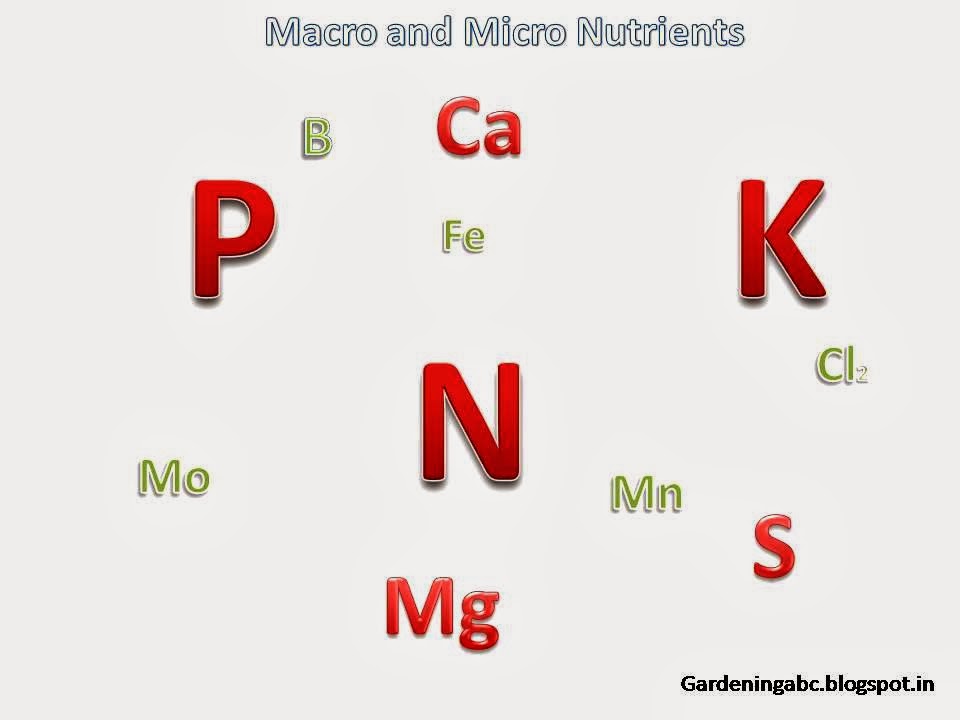
Today’s article is about various minerals which we keep mentioning in plant growth. These minerals some times required in huge quantity while some times they need only in small quantity by the plants. But never the less lack of these minerals can cause disaster as far as your gardening is concerned.

Depending upon their required amount, all the elements can be classified in two groups:

1.    Macro-nutrients:


Nitrogen (N):


Generally nitrogen is available in the soil in the form of ammonium or nitrate salts. Nitrogen plays an important role in formation of the chlorophyll in plants. It is an essential part of protein formation as all the protein which the plants synthesis will not be possible without the availability of nitrogen. Nitrogen also promotes rapid growth. You can easily trace the deficiency of nitrogen if the plant shows light green leaves, short and woody stalk and start to die.

Phosphorous (P):


Phosphorous are present in the soil in the form of phosphate salts. Phosphorous is very important for the growth of the roots in the early stages of a plant’s life. In the later stages it helps in flowering and forming seeds. Deficiency of phosphorous leads to dark pigmented leaves. If the deficiency is in the later stages of a plants life it slows down fruiting process.

Potassium (K):


Potassium is abundant in the soil in the form of different potassium salts. Like the above two this is also a very important element in plant growth. It increases the strength of the stalk and improves the quality of grain. Potassium also improves resistance capacity of the plants in hostile conditions. Lack of potassium causes dried leaves (especially at the borders), slender stalk, and leads to lesser grains in maturity.


These 3 molecules are required in large quantity compared to the other molecules and lack of these three is the major cause for inappropriate growth in most of the plant. These are generally referred to as NPK and they are also called the PRIMARY MACRO-NUTRIENTS.

Here we have not included Carbon (C), Oxygen (O2) and Hydrogen (H2) which required by the plants in large quantity but they get these from the air and water. We have focused on all the elements which the plants get from the soil.

Calcium (Ca):


Though not as highly recommended as NPK, calcium is also plays an important role in plant growth. It improves root formation in plants and plays a major role in cell division. Many diseases in plants occur in seedling stages due to lack of calcium.  Many places normally have calcium reach soil. Incase your place is not among them you can add lime to increase the calcium content of the soil. Apart from lime you can also add egg shells to increase calcium content of the soil.  

Magnesium (Mg):


Magnesium helps in chlorophyll formation of the plant. It also increases the intake of other elements from the soil and particularly helps in phosphate absorption. Lack of magnesium severely affects chlorophyll formation and results in Chlorosis. Adding dolomite can solve the Problem of magnesium deficiency.

Sulfur (S):


Sulfur plays an important role in amino acid formation. Different vitamin requires sulfur for their absorption. Sulfur can be found in the soil in the form of sulfate (So4) ions. Deficiency can cause pale green leaves and lesser growth in plants. In most of the cases, sulfur is deposited in the soil with rain water (SO2 in the air get mixed with rain).

Ca, Mg, and S though required by the plants in large quantity though the amounts are not as large as NPK. These elements are called SECONDARY MACRO-NUTRIENTS.

2.    Micro-nutrients / Trace Elements:


The following elements are required by the plants but in very small quantity. These are called micro-nutrients or trace elements. Though their required quantity is very small, deficiency of these can cause various problems and hinder proper development in plants.

Zinc (Zn): 

It plays an important role in activation of Auxin (major growth hormone) hormone and various enzymes.

Chlorine (Cl2):  

Have some role in phosphorous intake.

Boron (B): 

Plays an important role in cell division process. It also helps in transportation of carbohydrates in plants.

Molybdenum (Mo): 

It helps in nitrogen fixation for the plants.

Iron (Fe): 

Plays important role in chlorophyll formation.

Manganese (Mn): 

Plays an important role in germination of seeds and helps in activating different enzymes.


We will discuss every element in detail later. But I hope this has given you a basic idea on all the elements which we generally discuss in plants nutrition.


Today’s article is about various minerals which we keep mentioning in plant growth. These minerals some times required in huge quantity while some times they need only in small quantity by the plants. But never the less lack of these minerals can cause disaster as far as your gardening is concerned.

Depending upon their required amount, all the elements can be classified in two groups:

1.    Macro-nutrients:


Nitrogen (N):


Generally nitrogen is available in the soil in the form of ammonium or nitrate salts. Nitrogen plays an important role in formation of the chlorophyll in plants. It is an essential part of protein formation as all the protein which the plants synthesis will not be possible without the availability of nitrogen. Nitrogen also promotes rapid growth. You can easily trace the deficiency of nitrogen if the plant shows light green leaves, short and woody stalk and start to die.

Phosphorous (P):


Phosphorous are present in the soil in the form of phosphate salts. Phosphorous is very important for the growth of the roots in the early stages of a plant’s life. In the later stages it helps in flowering and forming seeds. Deficiency of phosphorous leads to dark pigmented leaves. If the deficiency is in the later stages of a plants life it slows down fruiting process.

Potassium (K):


Potassium is abundant in the soil in the form of different potassium salts. Like the above two this is also a very important element in plant growth. It increases the strength of the stalk and improves the quality of grain. Potassium also improves resistance capacity of the plants in hostile conditions. Lack of potassium causes dried leaves (especially at the borders), slender stalk, and leads to lesser grains in maturity.


These 3 molecules are required in large quantity compared to the other molecules and lack of these three is the major cause for inappropriate growth in most of the plant. These are generally referred to as NPK and they are also called the PRIMARY MACRO-NUTRIENTS.

Here we have not included Carbon (C), Oxygen (O2) and Hydrogen (H2) which required by the plants in large quantity but they get these from the air and water. We have focused on all the elements which the plants get from the soil.

Calcium (Ca):


Though not as highly recommended as NPK, calcium is also plays an important role in plant growth. It improves root formation in plants and plays a major role in cell division. Many diseases in plants occur in seedling stages due to lack of calcium.  Many places normally have calcium reach soil. Incase your place is not among them you can add lime to increase the calcium content of the soil. Apart from lime you can also add egg shells to increase calcium content of the soil.  

Magnesium (Mg):


Magnesium helps in chlorophyll formation of the plant. It also increases the intake of other elements from the soil and particularly helps in phosphate absorption. Lack of magnesium severely affects chlorophyll formation and results in Chlorosis. Adding dolomite can solve the Problem of magnesium deficiency.

Sulfur (S):


Sulfur plays an important role in amino acid formation. Different vitamin requires sulfur for their absorption. Sulfur can be found in the soil in the form of sulfate (So4) ions. Deficiency can cause pale green leaves and lesser growth in plants. In most of the cases, sulfur is deposited in the soil with rain water (SO2 in the air get mixed with rain).

Ca, Mg, and S though required by the plants in large quantity though the amounts are not as large as NPK. These elements are called SECONDARY MACRO-NUTRIENTS.

2.    Micro-nutrients / Trace Elements:


The following elements are required by the plants but in very small quantity. These are called micro-nutrients or trace elements. Though their required quantity is very small, deficiency of these can cause various problems and hinder proper development in plants.

Zinc (Zn): 

It plays an important role in activation of Auxin (major growth hormone) hormone and various enzymes.

Chlorine (Cl2):  

Have some role in phosphorous intake.

Boron (B): 

Plays an important role in cell division process. It also helps in transportation of carbohydrates in plants.

Molybdenum (Mo): 

It helps in nitrogen fixation for the plants.

Iron (Fe): 

Plays important role in chlorophyll formation.

Manganese (Mn): 

Plays an important role in germination of seeds and helps in activating different enzymes.


We will discuss every element in detail later. But I hope this has given you a basic idea on all the elements which we generally discuss in plants nutrition.

© 2016 Aquaponics And Hydroponics Systems. All rights resevered. Designed by Templateism