Senin, 30 Desember 2013

Various Minerals and Their Roles in Plants Life

0
- Looking for Aquaponics And Hydroponics Systems Today i will give you some info about , i was write this article for sharing Article beginner's guide, Article minerals, I hope this article very helpfull for you

Judul : Various Minerals and Their Roles in Plants Life
link : Various Minerals and Their Roles in Plants Life
Read Also


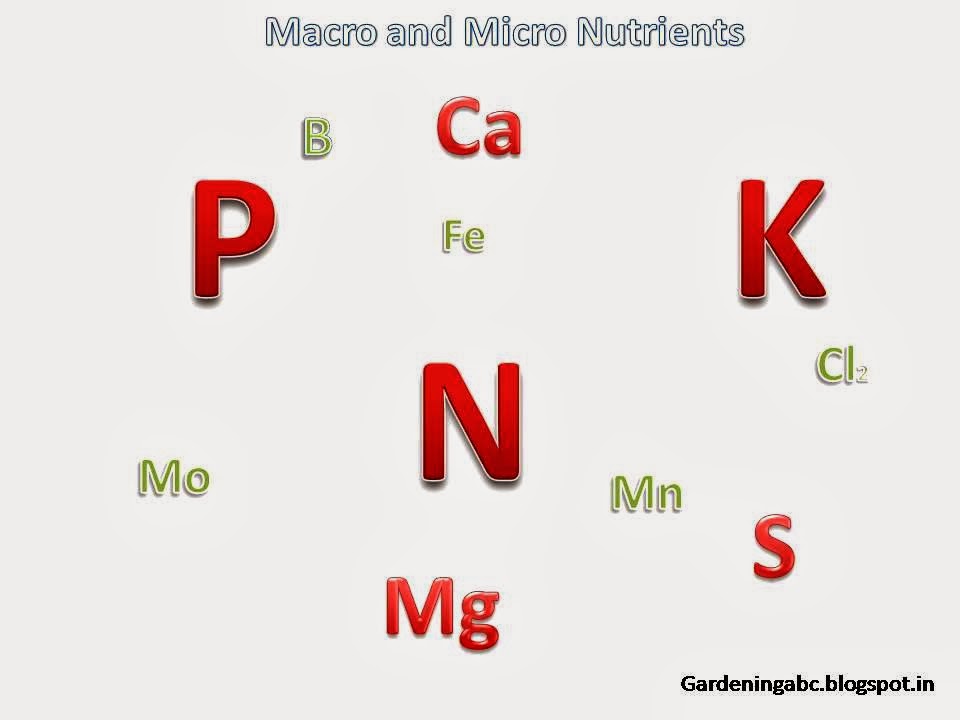
Today’s article is about various minerals which we keep mentioning in plant growth. These minerals some times required in huge quantity while some times they need only in small quantity by the plants. But never the less lack of these minerals can cause disaster as far as your gardening is concerned.

Depending upon their required amount, all the elements can be classified in two groups:

1.    Macro-nutrients:


Nitrogen (N):


Generally nitrogen is available in the soil in the form of ammonium or nitrate salts. Nitrogen plays an important role in formation of the chlorophyll in plants. It is an essential part of protein formation as all the protein which the plants synthesis will not be possible without the availability of nitrogen. Nitrogen also promotes rapid growth. You can easily trace the deficiency of nitrogen if the plant shows light green leaves, short and woody stalk and start to die.

Phosphorous (P):


Phosphorous are present in the soil in the form of phosphate salts. Phosphorous is very important for the growth of the roots in the early stages of a plant’s life. In the later stages it helps in flowering and forming seeds. Deficiency of phosphorous leads to dark pigmented leaves. If the deficiency is in the later stages of a plants life it slows down fruiting process.

Potassium (K):


Potassium is abundant in the soil in the form of different potassium salts. Like the above two this is also a very important element in plant growth. It increases the strength of the stalk and improves the quality of grain. Potassium also improves resistance capacity of the plants in hostile conditions. Lack of potassium causes dried leaves (especially at the borders), slender stalk, and leads to lesser grains in maturity.


These 3 molecules are required in large quantity compared to the other molecules and lack of these three is the major cause for inappropriate growth in most of the plant. These are generally referred to as NPK and they are also called the PRIMARY MACRO-NUTRIENTS.

Here we have not included Carbon (C), Oxygen (O2) and Hydrogen (H2) which required by the plants in large quantity but they get these from the air and water. We have focused on all the elements which the plants get from the soil.

Calcium (Ca):


Though not as highly recommended as NPK, calcium is also plays an important role in plant growth. It improves root formation in plants and plays a major role in cell division. Many diseases in plants occur in seedling stages due to lack of calcium.  Many places normally have calcium reach soil. Incase your place is not among them you can add lime to increase the calcium content of the soil. Apart from lime you can also add egg shells to increase calcium content of the soil.  

Magnesium (Mg):


Magnesium helps in chlorophyll formation of the plant. It also increases the intake of other elements from the soil and particularly helps in phosphate absorption. Lack of magnesium severely affects chlorophyll formation and results in Chlorosis. Adding dolomite can solve the Problem of magnesium deficiency.

Sulfur (S):


Sulfur plays an important role in amino acid formation. Different vitamin requires sulfur for their absorption. Sulfur can be found in the soil in the form of sulfate (So4) ions. Deficiency can cause pale green leaves and lesser growth in plants. In most of the cases, sulfur is deposited in the soil with rain water (SO2 in the air get mixed with rain).

Ca, Mg, and S though required by the plants in large quantity though the amounts are not as large as NPK. These elements are called SECONDARY MACRO-NUTRIENTS.

2.    Micro-nutrients / Trace Elements:


The following elements are required by the plants but in very small quantity. These are called micro-nutrients or trace elements. Though their required quantity is very small, deficiency of these can cause various problems and hinder proper development in plants.

Zinc (Zn): 

It plays an important role in activation of Auxin (major growth hormone) hormone and various enzymes.

Chlorine (Cl2):  

Have some role in phosphorous intake.

Boron (B): 

Plays an important role in cell division process. It also helps in transportation of carbohydrates in plants.

Molybdenum (Mo): 

It helps in nitrogen fixation for the plants.

Iron (Fe): 

Plays important role in chlorophyll formation.

Manganese (Mn): 

Plays an important role in germination of seeds and helps in activating different enzymes.


We will discuss every element in detail later. But I hope this has given you a basic idea on all the elements which we generally discuss in plants nutrition.


Today’s article is about various minerals which we keep mentioning in plant growth. These minerals some times required in huge quantity while some times they need only in small quantity by the plants. But never the less lack of these minerals can cause disaster as far as your gardening is concerned.

Depending upon their required amount, all the elements can be classified in two groups:

1.    Macro-nutrients:


Nitrogen (N):


Generally nitrogen is available in the soil in the form of ammonium or nitrate salts. Nitrogen plays an important role in formation of the chlorophyll in plants. It is an essential part of protein formation as all the protein which the plants synthesis will not be possible without the availability of nitrogen. Nitrogen also promotes rapid growth. You can easily trace the deficiency of nitrogen if the plant shows light green leaves, short and woody stalk and start to die.

Phosphorous (P):


Phosphorous are present in the soil in the form of phosphate salts. Phosphorous is very important for the growth of the roots in the early stages of a plant’s life. In the later stages it helps in flowering and forming seeds. Deficiency of phosphorous leads to dark pigmented leaves. If the deficiency is in the later stages of a plants life it slows down fruiting process.

Potassium (K):


Potassium is abundant in the soil in the form of different potassium salts. Like the above two this is also a very important element in plant growth. It increases the strength of the stalk and improves the quality of grain. Potassium also improves resistance capacity of the plants in hostile conditions. Lack of potassium causes dried leaves (especially at the borders), slender stalk, and leads to lesser grains in maturity.


These 3 molecules are required in large quantity compared to the other molecules and lack of these three is the major cause for inappropriate growth in most of the plant. These are generally referred to as NPK and they are also called the PRIMARY MACRO-NUTRIENTS.

Here we have not included Carbon (C), Oxygen (O2) and Hydrogen (H2) which required by the plants in large quantity but they get these from the air and water. We have focused on all the elements which the plants get from the soil.

Calcium (Ca):


Though not as highly recommended as NPK, calcium is also plays an important role in plant growth. It improves root formation in plants and plays a major role in cell division. Many diseases in plants occur in seedling stages due to lack of calcium.  Many places normally have calcium reach soil. Incase your place is not among them you can add lime to increase the calcium content of the soil. Apart from lime you can also add egg shells to increase calcium content of the soil.  

Magnesium (Mg):


Magnesium helps in chlorophyll formation of the plant. It also increases the intake of other elements from the soil and particularly helps in phosphate absorption. Lack of magnesium severely affects chlorophyll formation and results in Chlorosis. Adding dolomite can solve the Problem of magnesium deficiency.

Sulfur (S):


Sulfur plays an important role in amino acid formation. Different vitamin requires sulfur for their absorption. Sulfur can be found in the soil in the form of sulfate (So4) ions. Deficiency can cause pale green leaves and lesser growth in plants. In most of the cases, sulfur is deposited in the soil with rain water (SO2 in the air get mixed with rain).

Ca, Mg, and S though required by the plants in large quantity though the amounts are not as large as NPK. These elements are called SECONDARY MACRO-NUTRIENTS.

2.    Micro-nutrients / Trace Elements:


The following elements are required by the plants but in very small quantity. These are called micro-nutrients or trace elements. Though their required quantity is very small, deficiency of these can cause various problems and hinder proper development in plants.

Zinc (Zn): 

It plays an important role in activation of Auxin (major growth hormone) hormone and various enzymes.

Chlorine (Cl2):  

Have some role in phosphorous intake.

Boron (B): 

Plays an important role in cell division process. It also helps in transportation of carbohydrates in plants.

Molybdenum (Mo): 

It helps in nitrogen fixation for the plants.

Iron (Fe): 

Plays important role in chlorophyll formation.

Manganese (Mn): 

Plays an important role in germination of seeds and helps in activating different enzymes.


We will discuss every element in detail later. But I hope this has given you a basic idea on all the elements which we generally discuss in plants nutrition.

Kamis, 26 Desember 2013

Increase The Fertility Of your soil By Adding These Organic Ingredients

0
- Looking for Aquaponics And Hydroponics Systems Today i will give you some info about , i was write this article for sharing Article fertilizer, Article organic gardening, I hope this article very helpfull for you

Judul : Increase The Fertility Of your soil By Adding These Organic Ingredients
link : Increase The Fertility Of your soil By Adding These Organic Ingredients

Read Also


Creating a healthy and nutrient rich soil is a key to the success of your gardening Endeavour. Many of our gardening friends are complaining about the quality of their garden soil. Your soil may not be of very high quality or of ideal pH range but it is not very difficult to make an ideal gardening soil by adding some ingredients to the soil.


We have already discussed about soil conditioners like coconut coir which can increase the water retention capacity of the soil quite a fold. As an organic gardener we always want to promote different organic options rather than to adapt any quick fix chemical options. In this article we will discuss some organic elements which will increase the nutrient part of your soil. I have not mentioned any amount as it depends on the quality of your soil. It is best to test your existing soil before applying any of these ingredients.
Some of the elements which you can add to the soil are as follows.  


Lime:
Limes are generally added to the soil to increase the elements like Calcium, Magnesium, and Sulfur etc. These are basically three type of lime available in the market which you can add to the soil. They are Agricultural lime (this is actually Calcium carbonate), Gypsum (Calcium sulfate) and Dolomite (this is usually a mixture of Calcium carbonate and Magnesium carbonate). So depending on the condition of your soil you add the type best suits for your soil. Sometimes you use a particular type of lime whereas in many cases you need to mix the three. Apart from adding nutrients to the soil, adding lime can also control the acidity of the soil. Read Soil pH: A Basic Idea for more information.

Seed meal:
These are the byproducts of different oil seeds such as soybeans, sunflower, Mustard or cotton seed. Though these are primarily used to feed animals, you can use this as fertilizers. Depending on the part of the world you are living and the availability you can use any type of seed meal. This seed meal are very good source of Nitrogen, Phosphorous and Potassium (NPK) for the plants. These are easy to store as they generally do not degenerate very easily if kept in airtight condition.

Bone meal:
Bone meals are used to increase the phosphate content of the soil. As per alternative to bone meal you can also use Phosphate rocks or bat guano, though the last two are relatively harder to find.

Kelp:
Using kelp can be a little expensive. But the best part of using kelp is that it provides the supply of trace elements, which are very hard to get from other elements. It also provides vitamins for plants and power of resistance from different stresses such as cold. Many people use different rock dust as a replacement of kelp, but it is best if you can afford kelp.

These ingredients along with compost from time to time will produce excellent results. Is there any other ingredient which you use? Share with us here.


Creating a healthy and nutrient rich soil is a key to the success of your gardening Endeavour. Many of our gardening friends are complaining about the quality of their garden soil. Your soil may not be of very high quality or of ideal pH range but it is not very difficult to make an ideal gardening soil by adding some ingredients to the soil.


We have already discussed about soil conditioners like coconut coir which can increase the water retention capacity of the soil quite a fold. As an organic gardener we always want to promote different organic options rather than to adapt any quick fix chemical options. In this article we will discuss some organic elements which will increase the nutrient part of your soil. I have not mentioned any amount as it depends on the quality of your soil. It is best to test your existing soil before applying any of these ingredients.
Some of the elements which you can add to the soil are as follows.  


Lime:
Limes are generally added to the soil to increase the elements like Calcium, Magnesium, and Sulfur etc. These are basically three type of lime available in the market which you can add to the soil. They are Agricultural lime (this is actually Calcium carbonate), Gypsum (Calcium sulfate) and Dolomite (this is usually a mixture of Calcium carbonate and Magnesium carbonate). So depending on the condition of your soil you add the type best suits for your soil. Sometimes you use a particular type of lime whereas in many cases you need to mix the three. Apart from adding nutrients to the soil, adding lime can also control the acidity of the soil. Read Soil pH: A Basic Idea for more information.

Seed meal:
These are the byproducts of different oil seeds such as soybeans, sunflower, Mustard or cotton seed. Though these are primarily used to feed animals, you can use this as fertilizers. Depending on the part of the world you are living and the availability you can use any type of seed meal. This seed meal are very good source of Nitrogen, Phosphorous and Potassium (NPK) for the plants. These are easy to store as they generally do not degenerate very easily if kept in airtight condition.

Bone meal:
Bone meals are used to increase the phosphate content of the soil. As per alternative to bone meal you can also use Phosphate rocks or bat guano, though the last two are relatively harder to find.

Kelp:
Using kelp can be a little expensive. But the best part of using kelp is that it provides the supply of trace elements, which are very hard to get from other elements. It also provides vitamins for plants and power of resistance from different stresses such as cold. Many people use different rock dust as a replacement of kelp, but it is best if you can afford kelp.

These ingredients along with compost from time to time will produce excellent results. Is there any other ingredient which you use? Share with us here.

Selasa, 24 Desember 2013

Aquaponics System: Know the basics of Aquaponics Design

0
- Looking for Aquaponics And Hydroponics Systems Today i will give you some info about , i was write this article for sharing Article Aquaponic gardening, Article current trends in gardening, Article jargons, Article organic, Article organic gardening, I hope this article very helpfull for you

Judul : Aquaponics System: Know the basics of Aquaponics Design
link : Aquaponics System: Know the basics of Aquaponics Design

Read Also


aquaponics fish tankIn this edition of Gardening ABC we will discuss one new concept in gardening. We have already discussed the basics of vertical gardening and container gardening and their benefits In our earlier articles. Today we will discuss Aquaponics system.

Most of us have heard about hydroponics, it is a system where plants are grown without using soil and cultured in water only. Here they generally use chemical fertilizers for the nutrition of the plants. Aquaponics system goes one step further. It uses fishes in the water to provide the nutrition to the plants. Thus it makes the total system organic. Like hydroponics, it also does not uses soil. Roots of plants are generally kept directly in the water. In some cases roots are supported by some rocks inside the water.

The Aquaponics System:
Aquaponics system 
The three main parts of this system are:
Fish tank
Grow bed
Pump to move the water from the fish tank to grow bed.

The water from the Aquaponics fish tank goes to the grow bed. There it provides the much needed nutrition to the plant. The plants in the system act as the cleanser. It clears the water and then drains the water back into the fish tank. The secret of success in this system is maintaining proper balance.

In this culture choices of fish and plant is very important. It is better to use fresh water fishes which we generally found in landlocked lakes or rivers. On the contrary if you choose sea water fish you will limit the option of plants severely.

Try to avoid ornamental fishes such as Goldfish if you have any plans for eating fishes.They are commonly treated with chemicals and some times can cause cancer in human. The best options which we can use are common fishes like cat fish, Tilapia, trout, etc. You have to adjust the size and temperature of the water inside, once you decide on the type of fish. For example fish like catfish grow long so you need enough space for them.

Also concentrate on your gardening goals, like if your plan is to grow cool weather plans like spinachor peas avoid fishes which loves warm water.

If you are really serious about starting an Aquaponic system for your own I will suggest you check out this amazing source of information.


Benefits of following Aquaponics system:

Aquaponics system works most of the time independently. The fish and plants work together and the water gets recycled. You just need to replace the water which has be evaporated from the system. Once you created the system you don’t need to add fertilizers regularly or weed it.

It gives you the chance to reduce carbon footprint as you don’t need to travel to get your food.

It reduces the water consumption in gardening.


What do you think about the article. Do you have some other information on Aquaponics Gardening? Share it with us here.

Related articles about Aquaponics:
Advantages of Aquaponics System
Aquaponics System: 5 Steps To Success

aquaponics fish tankIn this edition of Gardening ABC we will discuss one new concept in gardening. We have already discussed the basics of vertical gardening and container gardening and their benefits In our earlier articles. Today we will discuss Aquaponics system.

Most of us have heard about hydroponics, it is a system where plants are grown without using soil and cultured in water only. Here they generally use chemical fertilizers for the nutrition of the plants. Aquaponics system goes one step further. It uses fishes in the water to provide the nutrition to the plants. Thus it makes the total system organic. Like hydroponics, it also does not uses soil. Roots of plants are generally kept directly in the water. In some cases roots are supported by some rocks inside the water.

The Aquaponics System:
Aquaponics system 
The three main parts of this system are:
Fish tank
Grow bed
Pump to move the water from the fish tank to grow bed.

The water from the Aquaponics fish tank goes to the grow bed. There it provides the much needed nutrition to the plant. The plants in the system act as the cleanser. It clears the water and then drains the water back into the fish tank. The secret of success in this system is maintaining proper balance.

In this culture choices of fish and plant is very important. It is better to use fresh water fishes which we generally found in landlocked lakes or rivers. On the contrary if you choose sea water fish you will limit the option of plants severely.

Try to avoid ornamental fishes such as Goldfish if you have any plans for eating fishes.They are commonly treated with chemicals and some times can cause cancer in human. The best options which we can use are common fishes like cat fish, Tilapia, trout, etc. You have to adjust the size and temperature of the water inside, once you decide on the type of fish. For example fish like catfish grow long so you need enough space for them.

Also concentrate on your gardening goals, like if your plan is to grow cool weather plans like spinachor peas avoid fishes which loves warm water.

If you are really serious about starting an Aquaponic system for your own I will suggest you check out this amazing source of information.


Benefits of following Aquaponics system:

Aquaponics system works most of the time independently. The fish and plants work together and the water gets recycled. You just need to replace the water which has be evaporated from the system. Once you created the system you don’t need to add fertilizers regularly or weed it.

It gives you the chance to reduce carbon footprint as you don’t need to travel to get your food.

It reduces the water consumption in gardening.


What do you think about the article. Do you have some other information on Aquaponics Gardening? Share it with us here.

Related articles about Aquaponics:
Advantages of Aquaponics System
Aquaponics System: 5 Steps To Success

Sabtu, 21 Desember 2013

Raised Garden Beds: How To Build A Bed in 4 Simple Steps

0
- Looking for Aquaponics And Hydroponics Systems Today i will give you some info about , i was write this article for sharing Article beginner's guide, Article garden beds, Article soil, I hope this article very helpfull for you

Judul : Raised Garden Beds: How To Build A Bed in 4 Simple Steps
link : Raised Garden Beds: How To Build A Bed in 4 Simple Steps

Read Also


Raised garden beds are always a good option for Gardening. Though it might sound pretty troublesome to prepare garden bed it is not that tough. This article will put some light on Garden bed preparation.

The first thing you need to do to make a raised garden bed is to kill the weeds in the area you have planned your bed. The best way to do this is to first till the area with a tiller or plough it (in case the area is larger).
Raised garden beds
Next add a thick layer of compost and till again. You can also add layers of newspaper or cardboard to cover the area before tilling the soil.

It will kill most of the weeds in the first place. Weeds which have deep roots or runners can be killed easily by this process.

After covering the area with compost add some water to the soil and till it a bit. This will make the weed seed (which are present in the soil) to germinate. Once they germinate, till it once more.

This total process of watering and tilling you need to follow quite a few times. After making sure that there are no more weed seeds present in the soil, you can use your vegetable or other plants. Try not to use seeds at first and go for transplanting in the first year. After that you can use seeds as per your likings.

Another way to get instant garden bed is to cover the whole area with the topsoil bags which are readily available in any garden store. Try not to use cheap quality product but go for the company which is known for their product quality.

Cut one or two areas of each bag and plant your seedling or seeds there. After covering the whole area with topsoil bags, cover the exposed plastic area of the
raised garden bedsbag with thick layer of Mulch. Now you have it, your own garden bed.

This type of permanent raised bed gardening is always helpful and it also makes the surrounding soil much more fertile and healthier. Raised beds warm up faster than normal soil. The best part about garden beds is you can make it any size you want. Keep enough space for walking, beside the garden beds and never walk on the beds.

Keep adding composts at regular intervals. It will keep the beds fertile. First year it is recommended to add 4 to 6 inches of compost. In the subsequent years ½ inch of compost will be enough to provide the required nutrition to the plants.


Have you prepared you garden beds yet? Share your experiences with us.


Raised garden beds are always a good option for Gardening. Though it might sound pretty troublesome to prepare garden bed it is not that tough. This article will put some light on Garden bed preparation.

The first thing you need to do to make a raised garden bed is to kill the weeds in the area you have planned your bed. The best way to do this is to first till the area with a tiller or plough it (in case the area is larger).
Raised garden beds
Next add a thick layer of compost and till again. You can also add layers of newspaper or cardboard to cover the area before tilling the soil.

It will kill most of the weeds in the first place. Weeds which have deep roots or runners can be killed easily by this process.

After covering the area with compost add some water to the soil and till it a bit. This will make the weed seed (which are present in the soil) to germinate. Once they germinate, till it once more.

This total process of watering and tilling you need to follow quite a few times. After making sure that there are no more weed seeds present in the soil, you can use your vegetable or other plants. Try not to use seeds at first and go for transplanting in the first year. After that you can use seeds as per your likings.

Another way to get instant garden bed is to cover the whole area with the topsoil bags which are readily available in any garden store. Try not to use cheap quality product but go for the company which is known for their product quality.

Cut one or two areas of each bag and plant your seedling or seeds there. After covering the whole area with topsoil bags, cover the exposed plastic area of the
raised garden bedsbag with thick layer of Mulch. Now you have it, your own garden bed.

This type of permanent raised bed gardening is always helpful and it also makes the surrounding soil much more fertile and healthier. Raised beds warm up faster than normal soil. The best part about garden beds is you can make it any size you want. Keep enough space for walking, beside the garden beds and never walk on the beds.

Keep adding composts at regular intervals. It will keep the beds fertile. First year it is recommended to add 4 to 6 inches of compost. In the subsequent years ½ inch of compost will be enough to provide the required nutrition to the plants.


Have you prepared you garden beds yet? Share your experiences with us.

Jumat, 20 Desember 2013

Things To Avoid In a Compost Pile

0
- Looking for Aquaponics And Hydroponics Systems Today i will give you some info about , i was write this article for sharing Article basics, Article composting, I hope this article very helpfull for you

Judul : Things To Avoid In a Compost Pile
link : Things To Avoid In a Compost Pile

Read Also


In our earlier article we have discussed on the various ingredients which you can add to the compost pile. Now as we know most of the products which we can see around us can be composted. But to make the process of composting smooth and to prevent any unwanted impacts on the plants we should shun some elements in the process of composting. In this article we will discuss some of them.

Coal/Charcoal:
Avoid coal or charcoal ashes. They are known for their slow decaying rate. This is the reason why archaeologist used charcoals for calculating age of ancient and prehistoric materials which are more than thousand years old. So when our basic purpose is to decompose the materials quickly, it makes sense to avoid such material. Besides coals some times contains excessive amount of sulfur and iron which can be toxic to most of the plants. So just to fill the gap created by shrinking of the compost pile don’t add charcoal or coal ash. The impact might not be as good as you have predicted.

Colored Papers:
Colored, glossy papers usually contains chemicals which some time infested with heavy metals such Lead or Mercury. These chemicals can be very lethal to the well being of the plant as well as for the person who will consume the crop. Though now a days governments around the world have made strict laws to prevent the use of heavy metals in the production of color pigments, we are never quite sure about the contains. So if you are interested in using papers, use the white ones. Paper is basically cellulose so it will break down slowly. Add the paper in small amount and prevent it from forming a layer by spreading them through out your compost pile.

Diseased Plants:
It is basically a common sense to avoid diseased plants or part of them. The pathogens present in the plants can some time survive the heat generated by the compost pile and then it can cause fresh attack on the plants where you are putting your compost. Potato tubers which are affected by wart diseases or the stalks affected by sclerotia should not be put inside the pile. Cabbages affected by club root, celery leaves with blight, onions with mildew are some of the example of the diseased plants which are very hard to destroy and only an “ideal compost pile” provide the necessary condition to destroy these pathogenic organisms. So if you have any doubt about the steady heating of the your compost pile it is better to avoid these plants.    

Pet Droppings:
Cats and dogs droppings contain disease causing pathogens. Cat droppings in particular contains nematodes and other parasites which can enter through mouth and can cause eye or brain diseases. This is also the reason why children and pregnant women are advised not to handle cat litter.

Non-biodegradable Items:
As the name suggests they are not going to get decomposed in the pile. Materials such as plastic, aluminum and other metals, glass, synthetic fibers etc. are not going to add any value to your compost heap. They though, are not necessarily toxic to the plant but it will remain as it is and would be of no help in the composting process. Real rubber is though organic in origin and biodegradable, the rate of degradation is pretty slow. So it should also be avoided.

Sludge:
If you live in a place where there is little or no industry, the sludge from your sewage is may be safe to use in the compost. None the less, it is not a very good idea to use sludge in your compost. Most of the time the toxic materials get infested in the sludge and can cause disaster for your garden. Most of the gardening experts also recommends not to use them. If you are getting treated sludge which are available commercially in different garden centers you may use it but make sure these are treated under EPA’s(environmental Protection Agency) guidance.

Toxic Chemicals:
Never put insecticides or pesticides inside the compost pile. It will kill those organisms which conduct the process of composting. And as an organic gardener we should always be at a safe distance from those hazardous chemicals.


I hope you liked this article. Post your thoughts in the comment box.


In our earlier article we have discussed on the various ingredients which you can add to the compost pile. Now as we know most of the products which we can see around us can be composted. But to make the process of composting smooth and to prevent any unwanted impacts on the plants we should shun some elements in the process of composting. In this article we will discuss some of them.

Coal/Charcoal:
Avoid coal or charcoal ashes. They are known for their slow decaying rate. This is the reason why archaeologist used charcoals for calculating age of ancient and prehistoric materials which are more than thousand years old. So when our basic purpose is to decompose the materials quickly, it makes sense to avoid such material. Besides coals some times contains excessive amount of sulfur and iron which can be toxic to most of the plants. So just to fill the gap created by shrinking of the compost pile don’t add charcoal or coal ash. The impact might not be as good as you have predicted.

Colored Papers:
Colored, glossy papers usually contains chemicals which some time infested with heavy metals such Lead or Mercury. These chemicals can be very lethal to the well being of the plant as well as for the person who will consume the crop. Though now a days governments around the world have made strict laws to prevent the use of heavy metals in the production of color pigments, we are never quite sure about the contains. So if you are interested in using papers, use the white ones. Paper is basically cellulose so it will break down slowly. Add the paper in small amount and prevent it from forming a layer by spreading them through out your compost pile.

Diseased Plants:
It is basically a common sense to avoid diseased plants or part of them. The pathogens present in the plants can some time survive the heat generated by the compost pile and then it can cause fresh attack on the plants where you are putting your compost. Potato tubers which are affected by wart diseases or the stalks affected by sclerotia should not be put inside the pile. Cabbages affected by club root, celery leaves with blight, onions with mildew are some of the example of the diseased plants which are very hard to destroy and only an “ideal compost pile” provide the necessary condition to destroy these pathogenic organisms. So if you have any doubt about the steady heating of the your compost pile it is better to avoid these plants.    

Pet Droppings:
Cats and dogs droppings contain disease causing pathogens. Cat droppings in particular contains nematodes and other parasites which can enter through mouth and can cause eye or brain diseases. This is also the reason why children and pregnant women are advised not to handle cat litter.

Non-biodegradable Items:
As the name suggests they are not going to get decomposed in the pile. Materials such as plastic, aluminum and other metals, glass, synthetic fibers etc. are not going to add any value to your compost heap. They though, are not necessarily toxic to the plant but it will remain as it is and would be of no help in the composting process. Real rubber is though organic in origin and biodegradable, the rate of degradation is pretty slow. So it should also be avoided.

Sludge:
If you live in a place where there is little or no industry, the sludge from your sewage is may be safe to use in the compost. None the less, it is not a very good idea to use sludge in your compost. Most of the time the toxic materials get infested in the sludge and can cause disaster for your garden. Most of the gardening experts also recommends not to use them. If you are getting treated sludge which are available commercially in different garden centers you may use it but make sure these are treated under EPA’s(environmental Protection Agency) guidance.

Toxic Chemicals:
Never put insecticides or pesticides inside the compost pile. It will kill those organisms which conduct the process of composting. And as an organic gardener we should always be at a safe distance from those hazardous chemicals.


I hope you liked this article. Post your thoughts in the comment box.

Kamis, 19 Desember 2013

Growing Cauliflower: Some Important Points

0
- Looking for Aquaponics And Hydroponics Systems Today i will give you some info about , i was write this article for sharing Article Cauliflower, Article growing foods, Article vegetables, I hope this article very helpfull for you

Judul : Growing Cauliflower: Some Important Points
link : Growing Cauliflower: Some Important Points

Read Also


Most of the people are really not sure about growing Cauliflower in their garden. Some might think it is too difficult for a beginners to try their hands on cauliflower and only an experienced gardener can come up with  great results. Though I agree that it is not as easier as some of the other vegetables which I have discussed earlier, it is also not a very hard nut to crack. Follow the points discussed in this article and I am sure you will not be disappointed.
 
Though primarily it is a cool weather crop, they are very sensitive to extreme temperature so it is sensible to start with a transplant. In case you want to start with seed plant them indoors in coconut coir or other media and make the seedling and then transplant in the garden. Using paper pot also helps preventing root disturbance while transplanting.

A pH of 6.5 to 7 is best for cauliflower. Just like Cabbage, Cauliflower also flourish in nitrogen and potassium rich soil. A little bit of organic matter from time to time will definitely help the plant. Make the soil loose up to a depth of 15 inch by using a tiller and mix 2.5 inch layer of compost with it. Plant the seedlings 20 inches apart. Like most of the vegetables it also require minimum 6 hours of direct sunlight everyday.

Make sure your soil has enough moisture. Don’t wait for the soil to dry out before giving water(want to perfect your watering techniques? Check out this article). This will cause the head to open up and become unpalatable. Whereas constant moisture would make large but tender head. A thick layer of mulch will also help to keep the moisture intact for longer period of time.

Once the head(also called “curd”) become the size of an egg, it is important to cover it(also called blanching) and protect it from the direct sunlight. This is important because it will make your cauliflower milky white in appearance. Missing this step can cause brown or yellow head, which may not taste so bad but definitely less aesthetic visually(don’t cover the heads in case you are using colorful varieties of cauliflower or it is of the self blanching type). While covering use plant’s own leaves, and tie them up using a rubber band or plastic tape. While covering the head don’t forget to leave some space for air circulation and future growth. Make sure the leaves you are using for covering the head is not wet. Otherwise it can cause rotting. So it is better to cover the head in the afternoon when the plants are usually dry. From time to time unwrap the covering to check on the growth of the head and any possible pest attack.

Cauliflower matures within 50 to 60 days. Though it depends on the variety of the plant, generally a mature head ranges from 6 to 10 inches in diameter. Once you find your desired size cut them with sharp knife below the head with some leaves to protect the head. Though it is best to eat right after the harvest, you can also store them well. Cover it with perforated plastic bags and put it in the refrigerator. For more on “storing vegetables” check out our earlier blog.

Most of the people are really not sure about growing Cauliflower in their garden. Some might think it is too difficult for a beginners to try their hands on cauliflower and only an experienced gardener can come up with  great results. Though I agree that it is not as easier as some of the other vegetables which I have discussed earlier, it is also not a very hard nut to crack. Follow the points discussed in this article and I am sure you will not be disappointed.
 
Though primarily it is a cool weather crop, they are very sensitive to extreme temperature so it is sensible to start with a transplant. In case you want to start with seed plant them indoors in coconut coir or other media and make the seedling and then transplant in the garden. Using paper pot also helps preventing root disturbance while transplanting.

A pH of 6.5 to 7 is best for cauliflower. Just like Cabbage, Cauliflower also flourish in nitrogen and potassium rich soil. A little bit of organic matter from time to time will definitely help the plant. Make the soil loose up to a depth of 15 inch by using a tiller and mix 2.5 inch layer of compost with it. Plant the seedlings 20 inches apart. Like most of the vegetables it also require minimum 6 hours of direct sunlight everyday.

Make sure your soil has enough moisture. Don’t wait for the soil to dry out before giving water(want to perfect your watering techniques? Check out this article). This will cause the head to open up and become unpalatable. Whereas constant moisture would make large but tender head. A thick layer of mulch will also help to keep the moisture intact for longer period of time.

Once the head(also called “curd”) become the size of an egg, it is important to cover it(also called blanching) and protect it from the direct sunlight. This is important because it will make your cauliflower milky white in appearance. Missing this step can cause brown or yellow head, which may not taste so bad but definitely less aesthetic visually(don’t cover the heads in case you are using colorful varieties of cauliflower or it is of the self blanching type). While covering use plant’s own leaves, and tie them up using a rubber band or plastic tape. While covering the head don’t forget to leave some space for air circulation and future growth. Make sure the leaves you are using for covering the head is not wet. Otherwise it can cause rotting. So it is better to cover the head in the afternoon when the plants are usually dry. From time to time unwrap the covering to check on the growth of the head and any possible pest attack.

Cauliflower matures within 50 to 60 days. Though it depends on the variety of the plant, generally a mature head ranges from 6 to 10 inches in diameter. Once you find your desired size cut them with sharp knife below the head with some leaves to protect the head. Though it is best to eat right after the harvest, you can also store them well. Cover it with perforated plastic bags and put it in the refrigerator. For more on “storing vegetables” check out our earlier blog.

Jumat, 06 Desember 2013

Storing Your Vegetables: You Must Know the Basics

0
- Looking for Aquaponics And Hydroponics Systems Today i will give you some info about , i was write this article for sharing Article basics, Article Know How, Article storing, I hope this article very helpfull for you

Judul : Storing Your Vegetables: You Must Know the Basics
link : Storing Your Vegetables: You Must Know the Basics

Read Also


Storing of vegetables properly is a very important part of practicing gardening. Though we are doing very well in gardening, the importance of storing of vegetables can’t be ignored. All our efforts for producing good quality crops will be wasted if the vegetables are not stored properly. This article will give you some tips on how you can store your garden yield.

While storing fresh vegetables 2 main points you need to take into consider.
  1. Water loss
  2. Respiration rate
The meaning of proper storage is to place the harvested vegetables in an environment where essential life processes like respiration can continue in a very slow rate and the water loss can be minimal.

Preventing water lossis one of the important factors in storing vegetables. Water loss can cause wilted and dull looking vegetables. Storing in low temperature with high humidity will prevent the vegetables from loosing water.

Respiration of the vegetable is another reason which you need to take into consideration while storing. The rate of respiration varies with the water content of the vegetables. For example at a given temperature leafy vegetables such as spinach and lettuce will respire more than potato or carrots. The rate is also higher in immature vegetables.

During respiration oxygen is absorbed and sugar present within the cells breaks down into energy, carbon Di oxide, water and heat.  For keeping the vegetables in a proper edible condition the respiration level should be held at very low level. You can slow down the respiration level by reducing the oxygen level.  This is done by keeping the vegetables in perforated plastic bags or by covering the pot in which the vegetables are kept. Please don’t use total airtight containers these will stop the respiration process entirely and the vegetables will not be as tasteful as it should be.

We usually store vegetables in refrigerators. The refrigerators keep the temperature usually uniform but the temperature may vary within different compartments. In most of the cases temperature is lowest just beneath the freezer.  This causes the warmer air to circulate around the side. This air is also sometime lower in humidity and thus causes any uncovered vegetables to dry out.

For the storing purposes the vegetables are divided in 4 groups:

Group 1: these vegetables are the most sensitive to temperature and humidity. These have the highest respiration rate and water loss can be huge if not taken proper care. They should be stored in 30-40 deg F and 90% humidity. It can be sub divided into group A and group B.
Group A: Lettuce, Spinach, green onions, Swiss chord etc.
Group B: Broccoli, beet, Cabbage, Celery, Radishes etc.
Group A vegetables are best stored when kept in crisper state and washed before storing. Store Group B vegetables in plastic bags or containers and keep them in the main compartment of the refrigerator.

Group 2: These types of vegetables are little less sensitive to temperature but very sensitive to humidity. Storing these vegetables requires 40-50 deg F temperature and 90-95% humidity. Though most of the time it is not possible to maintain such a customized temperature and humidity, don’t keep these vegetables in refrigerator for more than 7 days.
Vegetables such as Bell peppers, Cucumbers, Squash, ripe Melons etc. are in included in this category.

Group 3: Vegetables such as ripe tomatoes, Sweet Potatoes, Okra, Eggplants are included in group 3. These vegetables are prone to chilling injury. Ideal temperature for storing is 60 deg F You don’t need to put them inside the refrigerator for storing. Rather it is better to keep them in a cool and dark place.  

Group 4: Dry Garlic, melons are grouped in this group. Store them where there is an absence of direct sunlight.

Another piece of advice, don’t store many ripen food together with fresh vegetables. Ripen fruit emit ethylene gas. It will cause the vegetables to become yellow, sprout the potatoes and cause bitterness in carrots.


Storing of vegetables properly is a very important part of practicing gardening. Though we are doing very well in gardening, the importance of storing of vegetables can’t be ignored. All our efforts for producing good quality crops will be wasted if the vegetables are not stored properly. This article will give you some tips on how you can store your garden yield.

While storing fresh vegetables 2 main points you need to take into consider.
  1. Water loss
  2. Respiration rate
The meaning of proper storage is to place the harvested vegetables in an environment where essential life processes like respiration can continue in a very slow rate and the water loss can be minimal.

Preventing water lossis one of the important factors in storing vegetables. Water loss can cause wilted and dull looking vegetables. Storing in low temperature with high humidity will prevent the vegetables from loosing water.

Respiration of the vegetable is another reason which you need to take into consideration while storing. The rate of respiration varies with the water content of the vegetables. For example at a given temperature leafy vegetables such as spinach and lettuce will respire more than potato or carrots. The rate is also higher in immature vegetables.

During respiration oxygen is absorbed and sugar present within the cells breaks down into energy, carbon Di oxide, water and heat.  For keeping the vegetables in a proper edible condition the respiration level should be held at very low level. You can slow down the respiration level by reducing the oxygen level.  This is done by keeping the vegetables in perforated plastic bags or by covering the pot in which the vegetables are kept. Please don’t use total airtight containers these will stop the respiration process entirely and the vegetables will not be as tasteful as it should be.

We usually store vegetables in refrigerators. The refrigerators keep the temperature usually uniform but the temperature may vary within different compartments. In most of the cases temperature is lowest just beneath the freezer.  This causes the warmer air to circulate around the side. This air is also sometime lower in humidity and thus causes any uncovered vegetables to dry out.

For the storing purposes the vegetables are divided in 4 groups:

Group 1: these vegetables are the most sensitive to temperature and humidity. These have the highest respiration rate and water loss can be huge if not taken proper care. They should be stored in 30-40 deg F and 90% humidity. It can be sub divided into group A and group B.
Group A: Lettuce, Spinach, green onions, Swiss chord etc.
Group B: Broccoli, beet, Cabbage, Celery, Radishes etc.
Group A vegetables are best stored when kept in crisper state and washed before storing. Store Group B vegetables in plastic bags or containers and keep them in the main compartment of the refrigerator.

Group 2: These types of vegetables are little less sensitive to temperature but very sensitive to humidity. Storing these vegetables requires 40-50 deg F temperature and 90-95% humidity. Though most of the time it is not possible to maintain such a customized temperature and humidity, don’t keep these vegetables in refrigerator for more than 7 days.
Vegetables such as Bell peppers, Cucumbers, Squash, ripe Melons etc. are in included in this category.

Group 3: Vegetables such as ripe tomatoes, Sweet Potatoes, Okra, Eggplants are included in group 3. These vegetables are prone to chilling injury. Ideal temperature for storing is 60 deg F You don’t need to put them inside the refrigerator for storing. Rather it is better to keep them in a cool and dark place.  

Group 4: Dry Garlic, melons are grouped in this group. Store them where there is an absence of direct sunlight.

Another piece of advice, don’t store many ripen food together with fresh vegetables. Ripen fruit emit ethylene gas. It will cause the vegetables to become yellow, sprout the potatoes and cause bitterness in carrots.

© 2016 Aquaponics And Hydroponics Systems. All rights resevered. Designed by Templateism